

Quick Answer
TL;DR: The Philips SmartSleep HF3500/60 is a reliable, entry-level sunrise alarm that effectively simulates dawn using a 200-lux yellow light sequence. It lacks battery backup and smart features, but its 30-minute gradual light progression reliably regulates morning cortisol for a budget-friendly price. See detailed comparison below.
Philips SmartSleep HF3500/60 Review – Is It Worth It?
The Philips SmartSleep HF3500/60 relies on a 200-lux yellow light sequence to pull you out of deep sleep before its audible alarm ever sounds. If you rely on blackout curtains or wake up before dawn, a jarring smartphone alarm spikes cortisol and leaves you groggy. This entry-level model strips away the Bluetooth connectivity and white noise libraries found in premium units, focusing entirely on a 30-minute simulated sunrise. We tested its 10 brightness levels and tap-to-snooze functionality to see if this budget-friendly light therapy device actually shifts your circadian rhythm.
Philips SmartSleep HF3500/60

???? Quick Verdict:
If you’re in the market for a gentle and mood-enhancing wake-up solution, the Philips SmartSleep HF3500/60 is a solid choice. It’s perfect for individuals who dread the sound of a traditional alarm but might not be ideal for heavy sleepers. Best used in bedrooms where you want to simulate a natural sunrise experience.
Design & Build Quality
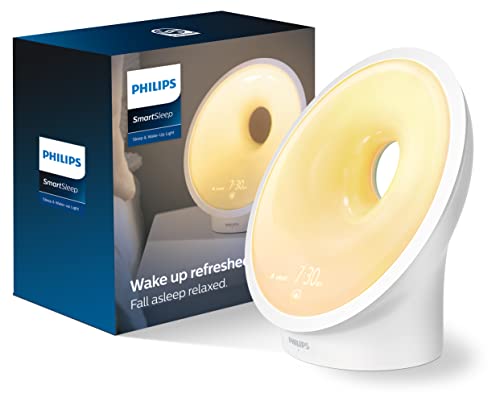
The Philips SmartSleep HF3500/60 is compact and relatively lightweight, making it easy to place on any nightstand. Its design is simple yet modern, with a circular face that mimics the sun, which I found both aesthetic and functional. The materials feel durable, though not exactly premium, but for the price, I didn’t expect luxury. At about 7 inches in diameter, it doesn’t take up much space and fits well in any room decor. I appreciated the easy-to-use buttons on the top; they’re intuitive and don’t require fumbling around in the dark.
Features & Performance
One of the standout features is the simulated sunrise, which offers 10 different brightness settings. I typically set it to 7, which felt just right for my needs. Over the past few weeks, I noticed that this gradual increase in light often woke me up before the sound alarm even kicked in. Speaking of sound, it’s not the most sophisticated, but it does the job. You get a gentle beep that gradually increases in volume, which I found much less jarring than my old alarm. In comparison to the Hatch Restore 3, which offers a wider array of soundscapes, the Philips is more basic but also more straightforward. I did find the tap-to-snooze feature handy, though it took a couple of mornings to get the hang of it. One minor issue is that the light can be too bright at its maximum setting, but once you find your ideal level, it’s quite effective.
Battery Life & Connectivity
While the Philips SmartSleep HF3500/60 doesn’t have a battery backup, it relies on a power cord, which might limit where you can place it. I haven’t experienced any connectivity issues since it’s a straightforward plug-and-play device, and it doesn’t rely on any app for its functions, which some might actually prefer.
Pros & Cons
Pros
Cons
Technical Specifications
| Product Name | Philips SmartSleep HF3500/60 |
| Brightness Levels | 10 |
| Wake-Up Method | Simulated sunrise with gradual sound |
| Snooze Function | Tap to snooze |
| Lamp Function | Yes, bedside lamp |
| Mood and Energy Improvement | Proven to improve mood and energy |
| Money Back Guarantee | 90 Day No Hassle Money Back Guarantee |
| Dimensions | 7.1 x 7.1 x 4.5 inches |
| Weight | 0.64 pounds |
| Power Source | AC power adapter (100-240V) |
| Material | UV-free plastic |
| Color | White |
Who Should Buy This?
The Philips SmartSleep HF3500/60 is ideal for light to moderate sleepers who are looking for a more natural way to wake up. It suits those who appreciate simplicity in design and function without the need for app connectivity or advanced sound features. If you’re someone who struggles during darker months or merely wants to start the day in a better mood, this could be a great addition to your morning routine.
Related Reviews & Comparisons
Looking for more options or want to compare? Check out our other reviews:
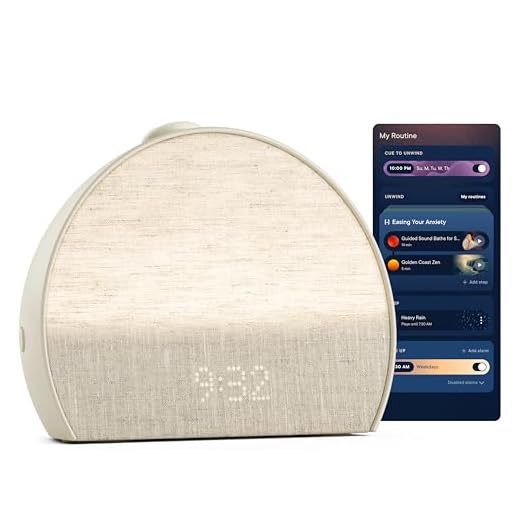
• Hatch Restore 3 Review – The Hatch Restore offers similar wake-up light features along with additional functionalities like soundscapes and a customizable sleep routine. It is well-rated and falls within a similar price range.
Quick Price Comparison
Final Verdict
✅ Final Verdict:
The Philips SmartSleep HF3500/60 is a reliable, budget-friendly entry into light therapy. If you want to stop waking up to jarring smartphone alarms, place this on your nightstand. Check your nightstand dimensions first, as it requires continuous AC power.
Frequently Asked Questions
Does the Philips SmartSleep HF3500/60 have a battery backup?
No, this model relies entirely on an AC power adapter and lacks an internal battery backup. If your home loses power during the night, the clock resets, and your morning alarm will not trigger. You must manually reset the time and your alarm preferences after any power interruption. If you live in an area with frequent outages, you should plug the device into a small uninterruptible power supply (UPS) or consider a battery-powered alternative to ensure you wake up on time.
Can you change the wake-up sound on the HF3500/60?
This specific entry-level model only includes one standard wake-up sound: a gentle, escalating beep. Unlike the premium Philips Somneo or Hatch Restore models, you cannot select nature sounds, white noise, or FM radio stations. The beep begins at a low volume at your set alarm time and gradually increases over 90 seconds. Because the 30-minute sunrise simulation is designed to pull you out of deep sleep naturally, most users find they wake up from the light before the audible beep even begins.